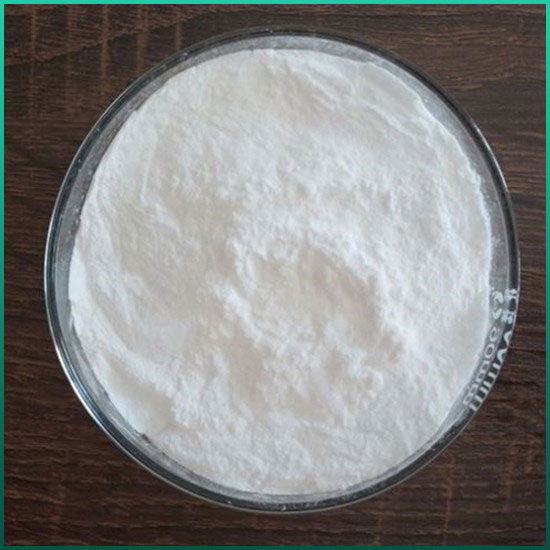
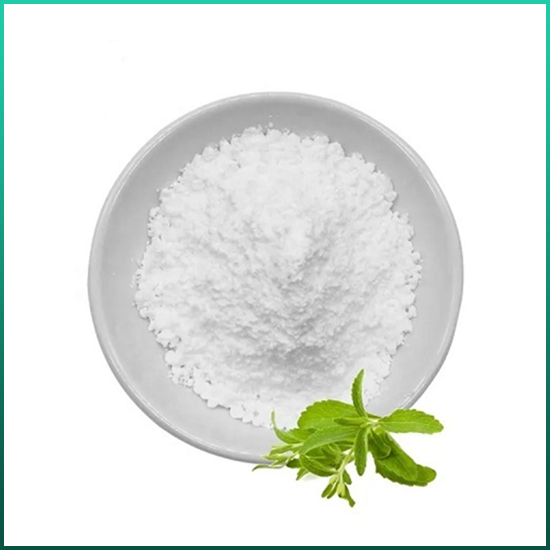
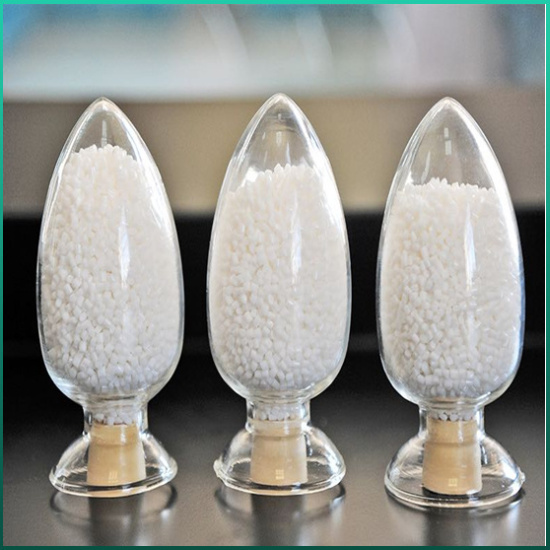
Natural Sweetener Stevioside Stevia Leaf Extract Manufacturers

The key to our success is "Good Solution Top quality, Reasonable Value and Efficient Service" for Natural Sweetener Stevioside Stevia Leaf Extract,Stevia Leaf Powder Stevioside,Stevia Extract,Steviol Glycoside Found in the Leaves of Stevia Rebaudiana, Seeing believes! We sincerely welcome the new clients overseas to setup business enterprise interactions and also be expecting to consolidate the relationships while using the long-established prospects.
Natural Sweetener Stevioside Stevia Leaf Extract, All our staffs believe that: Quality builds today and service creates future. We know that good quality and the best service are the only way for us to achieve our customers and to achieve ourselves too. We welcome customers all over the word to contact us for future business relationships. Our items are the best. Once Selected, Perfect Forever!

Hot Products

  • Galaxolide CAS:1222-05-5

    Galaxolide CAS:1222-05-5

    Galaxolide CAS:1222-05-5
  • Polyethylene Terephthalate/PET CAS:25038-59-9

    Polyethylene Terephthalate/PET CAS:25038-59-9

    Polyethylene Terephthalate/PET CAS:25038-59-9
  • Mancozeb

    Mancozeb

    Mancozeb from H&Z® factory can control of many fungal diseases in a wide range of field crops, fruit, nuts, vegetables, ornamentals, etc. More frequent uses include control of early and late blights (Phytophthora infestans and Alternaria solani) of potatoes and tomatoes; downy mildew (Plasmopara viticola) and black rot (Guignardia bidwellii) of vines; downy mildew (Pseudoperonospora cubensis) of cucurbits; scab (Venturia inaequalis) of apple; sigatoka (Mycosphaerella spp.) of banana and melanose ( Diaporthe citri) of citrus. Typical application rates are 1500-2000 g/ha. Used for foliar application or as a seed treatment.
  • Sodium Bromide

    Sodium Bromide

    Sodium bromide/NaBr CAS:7647-15-6
  • Polytetrahydrofuran (PTMEG) CAS:25190-06-1

    Polytetrahydrofuran (PTMEG) CAS:25190-06-1

    Polytetrahydrofuran PTMEG CAS:25190-06-1 Poly(tetrahydrofuran) molecular weight 2000 Polytetramethylene Ether Glycol
  • L-Pyroglutamic Acid

    L-Pyroglutamic Acid

    China H&Z® L-Pyroglutamic Acid (also known as PCA, 5-oxoproline, pidolic acid, or pyroglutamate for its basic form) is a ubiquitous but little studied natural amino acid derivative in which the free amino group of glutamic acid or glutamine cyclizes to form a lactam.It is a metabolite in the glutathione cycle that is converted to glutamate by 5-oxoprolinase. Pyroglutamate is found in many proteins including bacteriorhodopsin. N-terminal glutamic acid and glutamine residues can spontaneously cyclize to become pyroglutamate, or enzymatically converted by glutaminyl cyclases. This is one of several forms of blocked N-termini which present a problem for N-terminal sequencing using Edman chemistry, which requires a free primary amino group not present in pyroglutamic acid. The enzyme pyroglutamate aminopeptidase can restore a free N-terminus by cleaving off the pyroglutamate residue.

Send Inquiry