Zinc oxide is an important inorganic chemical material used across rubber manufacturing, coatings, ceramics, personal care, and other industrial sectors. However, choosing the right zinc oxide involves more than checking its chemical name or CAS number. Purity, particle size, surface characteristics, grade consistency, and application requirements all influence the final product.
This guide explains the essential properties of zinc oxide, its major industrial applications, important purchasing specifications, and practical considerations for handling and storage.
Zinc oxide, commonly abbreviated as ZnO, is an inorganic compound formed from zinc and oxygen. Its CAS Registry Number is 1314-13-2, which provides a standardized chemical identification reference for manufacturers, distributors, laboratories, and industrial buyers.
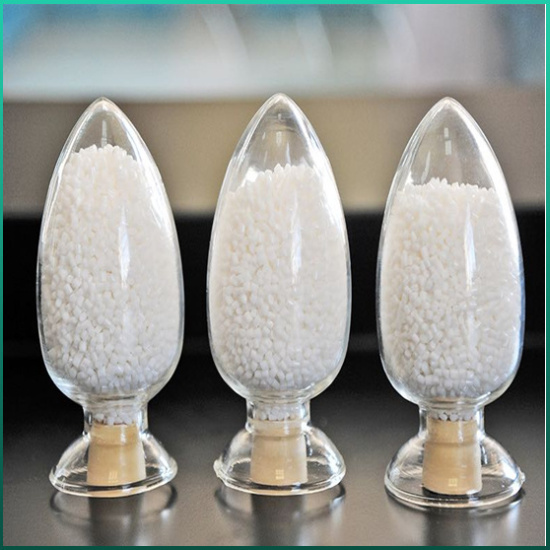
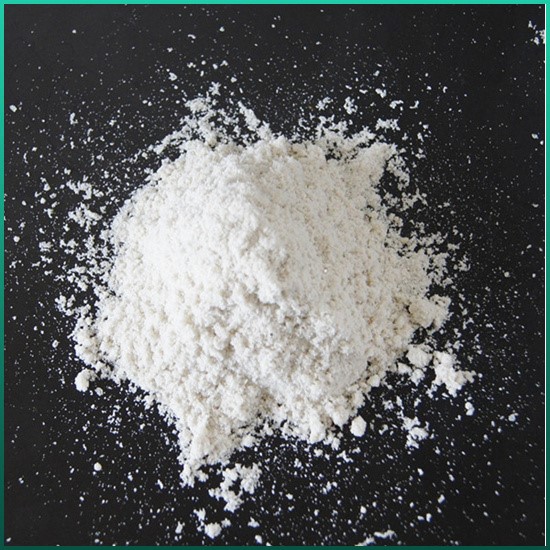
Commercial zinc oxide is commonly available as a fine white powder. Depending on the production method and product grade, it may have different particle sizes, surface characteristics, purity levels, and physical properties.
Its versatility comes from a combination of chemical stability, useful optical characteristics, thermal behavior, and its ability to participate in different industrial formulations.
| Identification Item | Information |
|---|---|
| Product Name | Zinc Oxide |
| CAS Number | 1314-13-2 |
| Chemical Formula | ZnO |
| Molecular Weight | Approximately 81.38 g/mol |
| EC Number | 215-222-5 |
| Appearance | Typically a white powder |
| Water Solubility | Practically insoluble in water |
| Crystal Structure | Typically hexagonal wurtzite structure |
The CAS number identifies the chemical substance, but it does not automatically define its purity, particle size, manufacturing process, or suitability for a particular application. Buyers should therefore evaluate the complete technical specification rather than relying on the CAS number alone.
Understanding zinc oxide properties helps manufacturers determine whether a particular grade can meet their processing and finished-product requirements.
Zinc oxide is generally a white, odorless powder. Its particle size and distribution can influence dispersion, surface coverage, processing behavior, and the consistency of a finished formulation.
For example, rubber manufacturers may need zinc oxide with consistent dispersion characteristics, while coating producers may focus on optical performance and compatibility with other formulation ingredients.
Zinc oxide is stable under many normal storage and processing conditions. It is practically insoluble in water, although it can react with acids and strong alkaline solutions under suitable conditions.
This chemical behavior makes it useful in applications where controlled chemical interactions and material stability are important.
Zinc oxide has a high melting point, approximately 1,974–1,975°C under commonly reported conditions. Its thermal characteristics make it useful in certain ceramic, glass, and other high-temperature manufacturing processes.
Zinc oxide can provide opacity, whiteness, and ultraviolet absorption or scattering in suitable formulations. These characteristics contribute to its use in coatings, rubber products, cosmetics, and specialized materials.
Manufacturers need raw materials that deliver predictable performance, consistent processing behavior, and reliable finished-product quality. Zinc oxide supports these objectives in several ways.
In rubber compounds, zinc oxide serves as an important vulcanization activator. It works with other compounding ingredients, such as stearic acid and vulcanization accelerators, to support the curing process.
The correct grade and dosage can help manufacturers achieve more consistent processing and physical properties. However, the optimal formulation depends on the rubber type, curing system, and product requirements.
In selected coatings, rubber products, and ceramic formulations, zinc oxide contributes functional properties that support product performance. Its contribution depends on its compatibility with the complete formulation and the conditions under which the product is manufactured and used.
Unlike a raw material with only one specific industrial function, zinc oxide can be used in multiple sectors. This versatility makes it a frequently evaluated ingredient for manufacturers developing different product lines.
Different zinc oxide grades can be selected for applications requiring particular purity levels, particle sizes, impurity limits, or regulatory compliance. This allows manufacturers to match raw material characteristics to specific production objectives.
Zinc oxide CAS 1314-13-2 is used in various industries. The appropriate grade should always be selected according to the intended application and applicable standards.
Zinc oxide is widely used as a vulcanization activator in rubber compounding. It helps activate the curing system and contributes to the performance of finished rubber products, including tires, belts, hoses, and molded components.
In suitable coating formulations, zinc oxide can provide pigmentation, opacity, and other functional properties. It may also be selected for specialized protective and industrial coating systems.
Zinc oxide is used as a formulation ingredient or flux-related component in selected ceramic and glass manufacturing processes. It can influence glaze characteristics, thermal behavior, and finished material properties.
Specialized cosmetic-grade zinc oxide is used in mineral sunscreens, skin protectants, and personal care formulations. Its ultraviolet attenuation properties make it valuable in products designed for skin protection.
Appropriately controlled pharmaceutical grades may be used in topical products, including skin protectant preparations. Compliance with the relevant pharmacopoeial requirements is essential.
Specialized zinc oxide materials are used in selected electronic, semiconductor, and functional material applications. These uses may require tighter controls over purity, particle properties, and processing consistency.
It is important to understand that a general industrial grade is not automatically suitable for cosmetics, pharmaceutical, food, or feed applications. Each regulated application requires the appropriate documentation, quality controls, and legal compliance.
One of the most common purchasing mistakes is assuming that all zinc oxide products with CAS 1314-13-2 have identical performance. In practice, manufacturers offer different grades to meet different technical and regulatory requirements.
| Grade Type | Typical Focus | Potential Applications |
|---|---|---|
| Industrial Grade | General purity, processing consistency, cost efficiency | Rubber, coatings, ceramics |
| Rubber Grade | Dispersion, curing performance, formulation compatibility | Tires, hoses, belts, rubber components |
| Ceramic Grade | Chemical composition, impurity control, thermal performance | Ceramic glazes and glass formulations |
| Cosmetic Grade | Purity, particle characteristics, contaminant limits | Sunscreens and personal care |
| Pharmaceutical Grade | Pharmacopoeial compliance and controlled impurities | Approved pharmaceutical preparations |
| High-Purity Grade | Strict chemical composition and trace impurity control | Specialized technical materials |
These categories describe common purchasing requirements rather than universal grade classifications. Actual specifications and permitted applications depend on the manufacturer's product documentation and relevant industry standards.
Technical specifications are essential when comparing zinc oxide suppliers. A product with a competitive price may still increase production costs if it creates inconsistent processing, excessive impurities, or quality problems in finished products.
Buyers should pay particular attention to the following parameters:
The ZnO content indicates the proportion of zinc oxide in the material. Higher purity may be necessary for certain specialized applications, while other industrial formulations may have different acceptable specifications.
Particle size can influence dispersion, surface area, and interaction with other ingredients. Buyers should request the measurement method and relevant particle size data rather than relying only on descriptions such as fine powder or micro powder.
Trace elements such as lead, cadmium, iron, and other contaminants may affect product performance or regulatory compliance. Their acceptable limits depend on the intended application.
Moisture and loss on ignition are useful indicators for evaluating material condition and consistency. Excessive moisture may create handling, storage, or formulation problems in some processes.
Even when a sample meets the required specifications, buyers should evaluate whether regular production batches maintain consistent quality. This is particularly important for large-volume manufacturing.
| Quality Parameter | Why It Matters | What to Request |
|---|---|---|
| ZnO Content | Confirms chemical composition | Assay result and specification range |
| Particle Size | Influences dispersion and processing | Particle size test report |
| Impurities | Supports application and compliance requirements | Trace element analysis |
| Moisture | Helps evaluate material condition | Moisture test result |
| Bulk Density | Relevant to handling and feeding systems | Bulk density measurement |
| Batch Consistency | Supports stable manufacturing | COA and batch records |
A reliable supplier should be able to provide a current Technical Data Sheet, Safety Data Sheet, and batch-specific Certificate of Analysis where applicable. Buyers should compare actual test methods and acceptance limits before making a decision.
Choosing a zinc oxide supplier is not simply a matter of comparing prices per ton. A suitable supplier should understand the application, communicate technical requirements clearly, and provide dependable product documentation.
Start by identifying whether the material will be used in rubber, coatings, ceramics, personal care, or another production process. Different applications require different quality priorities.
Provide the supplier with your required purity, particle size, impurity limits, grade, and any applicable standards. If you already use zinc oxide, sharing your current specification can make product matching easier.
Request the following documents when relevant:
Before placing a large order, consider testing a representative sample under your actual production conditions. Evaluate dispersion, process stability, finished-product performance, and compatibility with other ingredients.
Consider more than the quoted unit price. Packaging, transportation, import duties, minimum order quantity, lead time, quality consistency, and potential production losses all influence the actual purchasing cost.
For recurring orders, discuss production capacity, order scheduling, packaging options, shipment arrangements, and procedures for handling quality concerns.
Proper storage and handling help maintain zinc oxide quality while reducing unnecessary occupational and environmental risks.
Store zinc oxide in tightly closed, clearly labeled packaging in a dry and well-ventilated area. Protect containers from moisture, contamination, and physical damage.
Because commercial zinc oxide is commonly supplied as a powder, unnecessary dust generation should be avoided during bag opening, weighing, transferring, and mixing.
Use suitable local exhaust ventilation and workplace dust-control procedures. Workers should follow the applicable SDS and wear appropriate personal protective equipment, such as protective gloves, eye protection, and respiratory protection when required by the exposure assessment.
Zinc oxide can present a hazard to aquatic environments. Avoid releasing powder or contaminated wash water into drains, waterways, or soil. Collect spills using appropriate methods that minimize dust and dispose of waste according to local regulations.
Hazard classifications and handling requirements should be checked against the current SDS for the exact product and applicable jurisdiction. Industrial, cosmetic, and other specialized grades may have different documentation and regulatory requirements.
Understanding frequent problems before placing an order can help procurement teams reduce unnecessary testing, production interruptions, and quality disputes.
Possible cause: Variations in raw material quality, production conditions, or batch control.
Practical solution: Establish clear acceptance specifications, request batch-specific COAs, and monitor incoming material quality over multiple deliveries.
Possible cause: Particle characteristics, agglomeration, mixing conditions, or incompatibility with other formulation ingredients.
Practical solution: Review particle size data, mixing procedures, and formulation compatibility. Conduct controlled trials before changing the production grade.
Possible cause: Comparing suppliers with different purity levels, packaging specifications, shipping terms, or product grades.
Practical solution: Compare quotations using the same technical specification and delivery terms. Evaluate the complete landed cost rather than the headline price alone.
Possible cause: Insufficient communication about application requirements or the documentation needed for the destination market.
Practical solution: Confirm documentation requirements before ordering, including the TDS, SDS, COA, and any necessary regulatory declarations.
The CAS number of zinc oxide is 1314-13-2. Its chemical formula is ZnO, and its EC number is 215-222-5.
The chemical formula is ZnO, meaning that each formula unit contains one zinc atom and one oxygen atom. Its molecular weight is approximately 81.38 g/mol.
Zinc oxide is practically insoluble in water under normal conditions. Its behavior can differ in acidic or strongly alkaline environments.
Common applications include rubber vulcanization, paints and coatings, ceramics, glass, cosmetics, pharmaceutical preparations, and selected electronic materials. The appropriate grade depends on the application.
Zinc oxide functions as a vulcanization activator in many rubber compounds. It works with other compounding ingredients to support the curing process and help achieve the desired properties of finished rubber products.
Not necessarily. Higher purity can be important for specialized applications, but particle characteristics, dispersion, formulation compatibility, and other technical requirements also influence performance. The best grade is the one that meets the actual application specification.
Buyers commonly request a Technical Data Sheet (TDS), Safety Data Sheet (SDS), and batch-specific Certificate of Analysis (COA). Additional compliance documents may be needed for regulated applications or specific destination markets.
Keep it in tightly closed, labeled packaging in a dry, well-ventilated storage area. Protect the material from moisture, contamination, damaged packaging, and unnecessary dust generation.
Not automatically. Cosmetic and pharmaceutical applications may require specific purity limits, impurity controls, testing procedures, and regulatory documentation. Always select a grade explicitly qualified for the intended use.
Provide your intended application, required grade, ZnO content, particle size, impurity limits, packaging preference, estimated order quantity, destination country, and any documentation requirements. This helps suppliers recommend a suitable product and prepare a more accurate quotation.
Zinc oxide CAS 1314-13-2 is a versatile inorganic material that supports manufacturing across rubber, coatings, ceramics, personal care, pharmaceuticals, and specialized technical industries. Its value depends not only on its chemical identity but also on purity, particle characteristics, consistency, and suitability for the intended application.
For procurement professionals, the most effective purchasing approach is to define technical requirements clearly, verify product documentation, evaluate samples when necessary, and work with suppliers capable of maintaining consistent quality and reliable communication.
H&Z INDUSTRY CO., LTD is committed to serving industrial raw material buyers with professional product information and supply communication. Whether you are evaluating zinc oxide for an existing production line or developing a new formulation, discussing your technical requirements is a practical first step toward finding a suitable material solution.
Need product specifications, technical documentation, or a quotation for Zinc Oxide CAS 1314-13-2? Contact H&Z INDUSTRY CO., LTD to discuss your application, quality requirements, and purchasing needs.
Contact Us TodayTechnical note: This article provides general industrial information and is not a substitute for the product-specific TDS, SDS, applicable standards, or professional regulatory advice. Confirm all technical and safety requirements before use.